The Evolution of Range Hood Inserts: From Functional Necessity to Design Element
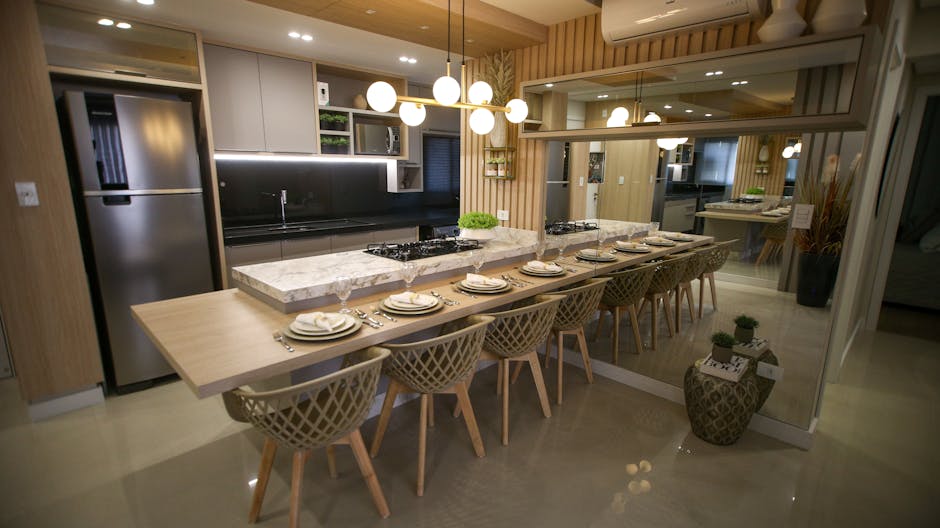
Range hood inserts have undergone a significant transformation over the years, evolving from simple functional appliances into stylish design elements that enhance both kitchen aesthetics and air quality. As cooking has become more of an art form and living spaces more integrated, the role of these inserts has expanded far beyond their initial purpose. This article explores the evolution of range hood inserts, delving into their functionality, aesthetic contributions, and emerging trends that continue to shape their use in modern kitchens.
The Functional Evolution of Range Hood Inserts
Originally, range hood inserts were developed primarily for their practical benefits. Their main function was to extract smoke, steam, and odors produced during cooking, thereby improving indoor air quality and maintaining a comfortable environment. Early designs were often bulky and utilitarian, focusing solely on performance rather than appearance.
As technology advanced, manufacturers began prioritizing not only the effectiveness of these devices but also their ease of installation and maintenance. Today’s range hood inserts are designed with higher efficiency motors, advanced filtration systems, and noise reduction technology, making them quieter and more powerful than ever before. This shift towards enhanced functionality has made them indispensable in contemporary kitchens, where the culinary experience is highly valued.
Aesthetic Appeal: From Necessity to Style Statement
Alongside their functional improvements, range hood inserts have also evolved into significant design elements. With a variety of materials, shapes, and finishes available, homeowners now have the flexibility to choose inserts that complement their kitchen décor. Stainless steel remains a popular choice for its modern appeal and durability, while glass and wooden finishes cater to a more traditional or rustic aesthetic.
Many modern insert models offer customizable options, allowing homeowners to seamlessly integrate these appliances into their kitchen design. The ability to choose between different venting styles, such as ducted and ductless, adds to the versatility of range hood inserts. This has made it possible for them to blend into cabinetry or to serve as a focal point in the kitchen, showcasing both functionality and artistry.
Technological Innovations in Range Hood Inserts
The landscape of range hood inserts has been significantly influenced by advancements in technology. The integration of smart technology has led to models that can be controlled via smartphone apps, allowing users to adjust settings remotely. Some high-end models even come equipped with sensors that automatically activate at the first sign of heat or smoke, ensuring optimal performance without user intervention.
Additionally, energy efficiency has become a major focus in the design of range hood inserts. Many modern options use LED lighting and energy-efficient motors that consume less power while still delivering powerful extraction capabilities. These innovations not only enhance the functionality but also contribute to a more environmentally friendly kitchen, appealing to eco-conscious consumers.
Trends Shaping the Future of Range Hood Inserts
The trends in kitchen design are continuously evolving, and range hood inserts are no exception. A current trend is the shift towards minimalist designs, where sleek and unobtrusive inserts create an open and airy feel in the kitchen. This minimalist approach often favors hidden or integrated models that maintain clean lines and uncluttered spaces.
Another trend gaining traction is the use of color and customization in range hood inserts. From bold hues to unique textures, manufacturers are offering options that allow homeowners to express their personal style. Color often plays a crucial role in enhancing the overall ambiance of a kitchen, and manufacturers are responding to this demand with more diverse product lines.
Moreover, the growing popularity of open-concept living spaces has also informed the design of range hood inserts. In these settings, the hood must be both functional and visually appealing, often serving as a bridge between the kitchen and living areas. This has led to the emergence of stylish, statement-making designs that draw the eye and provoke conversation.
Choosing the Right Range Hood Insert for Your Kitchen
When selecting a range hood insert, several factors come into play. Homeowners should consider kitchen size, cooking style, and design preferences. For instance, a larger kitchen with high ceilings may require a more powerful model to effectively manage smoke and odors, while a smaller kitchen might benefit from a more compact insert.
Performance ratings, particularly the air movement measured in cubic feet per minute (CFM), are also critical in ensuring the insert will meet the needs of the household. For those who cook frequently or at high heat, it is advisable to opt for a higher CFM rating for optimal ventilation.
Finally, the aesthetic aspect should not be overlooked. Range hood inserts should harmonize with the overall kitchen design, creating a cohesive look that enhances the space. With an array of styles, including traditional, modern, and industrial, homeowners are encouraged to explore options that best reflect their personal tastes. For a comprehensive selection, consider checking out various range hood inserts available on the market today.
In conclusion, the evolution of range hood inserts from practical necessities to stylish design elements reflects broader trends in kitchen design and technology. As these appliances continue to develop, they embody a perfect blend of functionality and aesthetics, catering to the diverse needs and preferences of modern homeowners. Investing in the right range hood insert can not only enhance air quality but also elevate the overall design of the kitchen, proving that even the most utilitarian devices can be transformed into beautiful components of home décor.